We don't hand you a plan.
We hand you the product.

Vyrenzo takes an idea from a rough brief to a working system — design, engineering, and brand, built as one continuous thing instead of three separate hand-offs. You see real screens in week one, not a slide deck.

Design and code move together
Working software over decks
One point of accountability
Built to be handed off cleanly
What we do

Three disciplines, held together

Most of what goes wrong in software happens in the gaps between teams. We close those gaps by keeping design, engineering, and strategy inside one head, not three departments.

01Product & Design

Interfaces people can actually use

Research, wireframes, and high-fidelity screens built alongside working code — so what you approve is close to what ships.

02Engineering

Systems built to run, not demo

Full-stack builds — dashboards, permissioning, data pipelines, integrations — engineered to hold up past the first demo.

03Systems & Strategy

The thinking behind the build

PRDs, architecture decisions, and design systems that keep a product coherent as it grows past its first version.

Most teams pay for a proposal, then wait. We think the proposal is the prototype — you should be able to click through a real screen before the first invoice.
Vyrenzo Ethos—The way we work, not just what we say
How we work

Hands-on, from the first sketch to the last commit

The same people who scope the work are the ones who build it — so nothing gets lost translating between a strategist, a designer, and an engineer.

  1. 01Align

    We get inside the problem

    Not a questionnaire — a real walkthrough of how things work today, where they break, and what "done" looks like for the people who'll actually use this.

  2. 02Design & Prototype

    You see it before you approve it

    Screens get built alongside real interaction, not signed off as static mockups. What you review is close to what ships — fewer surprises later.

  3. 03Build

    Shipped in working increments

    Every piece — a dashboard, a permission layer, an integration — lands as something you can click through, reviewed as it's built, not delivered as one big reveal.

  4. 04Partner

    We stay close after launch

    Fixing what breaks, extending what works, and handing over documentation clean enough that you're never boxed in by how it was built.

What we build

Solutions built around how each industry actually runs

The tools look different depending on the world they live in. Hover an industry to see the kind of systems we build there.

FinTech

Payments, risk & compliance

FinTech
  • Payment reconciliation dashboards
  • Fraud & risk monitoring tools
  • KYC & onboarding automation
  • Regulatory reporting pipelines

EdTech

Learning & institutional tools

EdTech
  • Adaptive learning dashboards
  • Course & content management systems
  • Student progress analytics
  • Admissions & enrollment automation

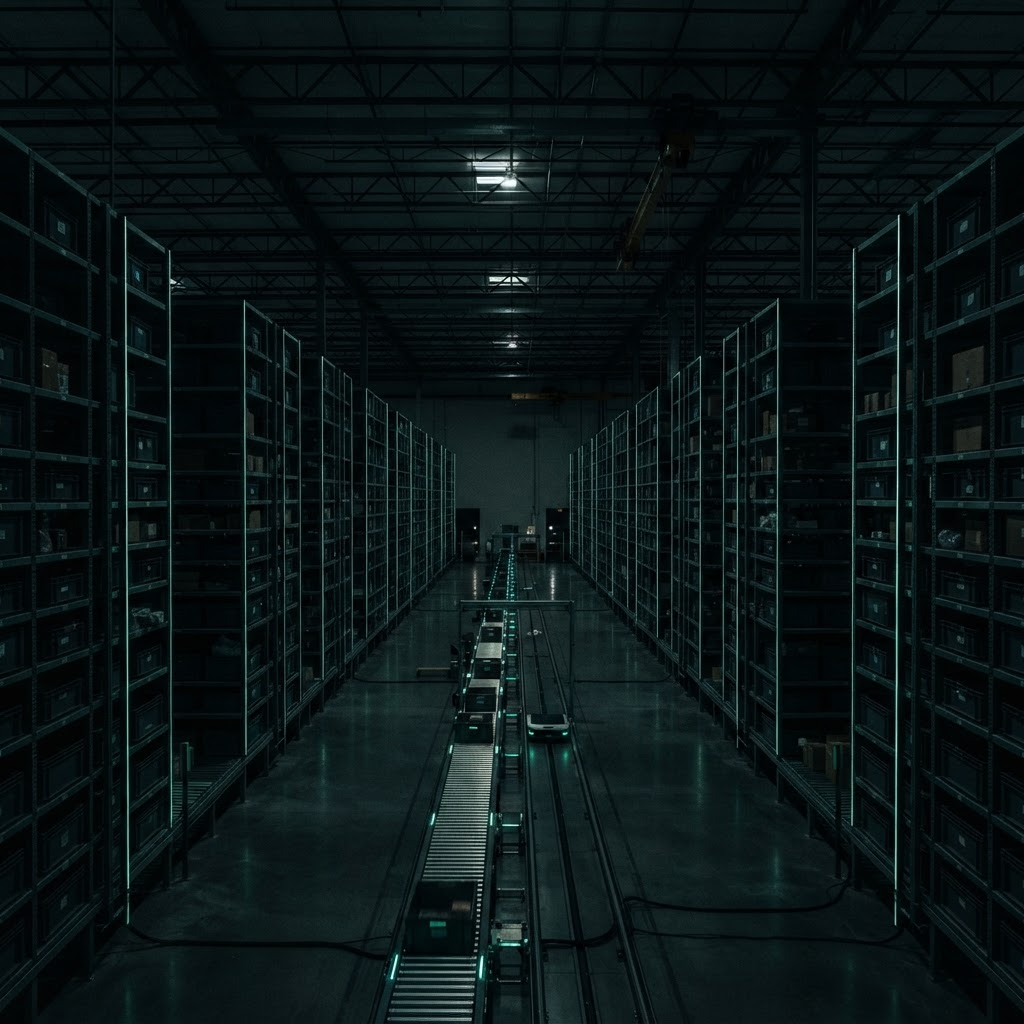
Logistics & Supply Chain

Movement, tracking & visibility

Logistics & Supply Chain
  • Shipment & fleet tracking dashboards
  • Route & inventory optimization tools
  • Vendor & procurement portals
  • Warehouse management systems

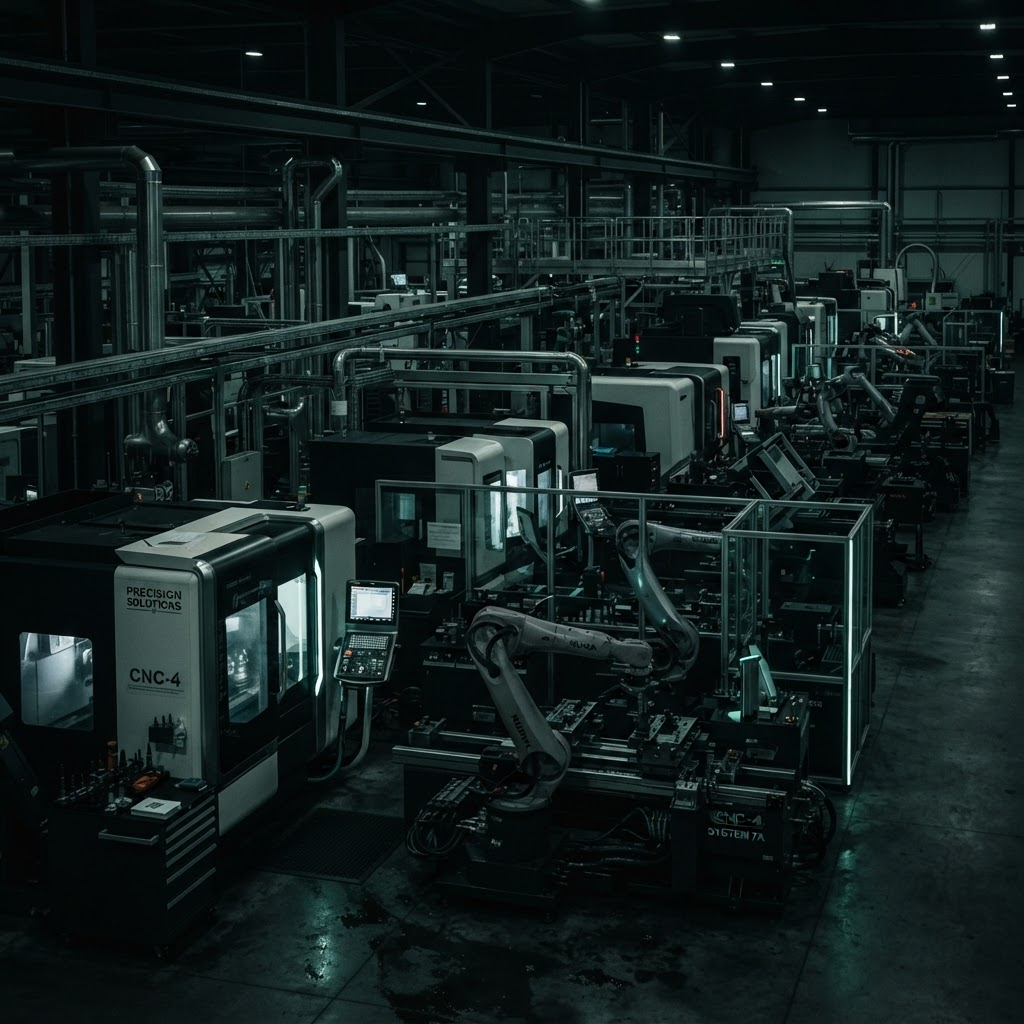
Manufacturing

Process, inventory & ops

Manufacturing
  • Live production & process monitoring
  • Inventory & cost calculators
  • Quality & compliance tracking
  • Role-based operations platforms

Healthcare

Patient & clinical operations

Healthcare
  • Patient intake & scheduling tools
  • Clinical data dashboards
  • Compliance & audit tracking
  • Secure records management

Retail & D2C

Commerce & customer ops

Retail & D2C
  • Order & inventory management
  • Customer analytics dashboards
  • Loyalty & CRM tools
  • Demand forecasting systems
Currently in the studio: an operations platform for a manufacturing client, in active build.
Let's build

Bring us the messy version. We'll bring back the shipped one.

Get in touch

Tell us what you're building

Share a bit about the project and we'll get back to you — usually within a day.

Location
India
Elsewhere
LinkedIn
FAQ

Questions, answered plainly

No account manager relaying between you and the people building. Whoever you talk to is whoever is writing the code and making the design calls — so nothing gets diluted in translation.

Both. The process flexes — enterprise clients get more structure and sign-off gates, early-stage teams get faster, looser iteration.